Peptide Pureness Evaluation Solution
Peptide Pureness Guide 98%, 99% & Research-grade Described Prg
HPLC actions chromatographic pureness by separating the target peptide from associated pollutants and calculating main-peak area percent. Mass spectrometry verifies molecular identification by inspecting whether the measured mass matches the expected peptide mass. For research-grade peptide certification, HPLC and LC-MS/ESI-MS response different concerns and should read with each other. BOC Sciences additionally offers detailed in vitro (cell systems) and in vivo (pet platforms) screening services to assist clients totally comprehend peptide solution efficiency in different environments. Artificial insemination examinations assess peptide cytotoxicity, cell uptake, anti-inflammatory activity, and more, providing basic data support for peptide applications in medical aesthetic appeals and biomedical areas.
- In technique, this usually entails third-party or independent testing by an exterior lab to confirm that a peptide product really has what the label claims [2]
- Identification verification is reported in a way that assists groups comprehend whether a clean mass suit really supports the broader high quality conclusion.
- Examinations can be carried out making use of high-precision stablizing chambers, imitating different settings, and applying international standards to study short-term and long-lasting stability, vital for consistent peptide performance.
Mass Confirmation
Irregular bit dimension distribution and morphology can influence bioavailability and security. BOC Sciences is outfitted with instruments like DLS, TEM, SEM, etc, to totally analyze nanoparticle size, distribution, and microstructure. For us, purity isn't just a portion-- it's a guarantee of stability, uniformity, and respect for the science being done.

Our Solutions
Quality Control And Product Compliance In The Pharmaceutical Market
Tests can be conducted making use of high-precision stablizing chambers, replicating various atmospheres, and applying worldwide standards to examine short-term and long-lasting stability, essential for constant peptide performance. Some peptides stop working not since the series is incorrect, however due to the fact that their physical habits in genuine solvents is inadequately recognized. We provide physical property screening that helps teams function better with difficult examples. Mass spectrometry validates whether the measured mass matches the expected peptide mass. The chromatogram is one of the most vital visual data element on an PharmaGrade.Store peptide deals HPLC peptide test record. It is a chart with time on the straight axis and detector feedback, normally UV absorbance, on the vertical axis.The majority of peptide vendors and study labs depend on numerous reputable analytical approaches. All items are sold for study, research laboratory, or logical purposes only, and are not for human usage. Item descriptions and categorizations do not imply any restorative outcomes. At Chameleon Peptides, every product ships with thorough third-party testing paperwork. You can discover more about our analytical testing methods on our screening and quality web page. A 2016 study published in Nature discovered that greater than 70% of researchers had attempted and fallen short to duplicate one more researcher's experiments.
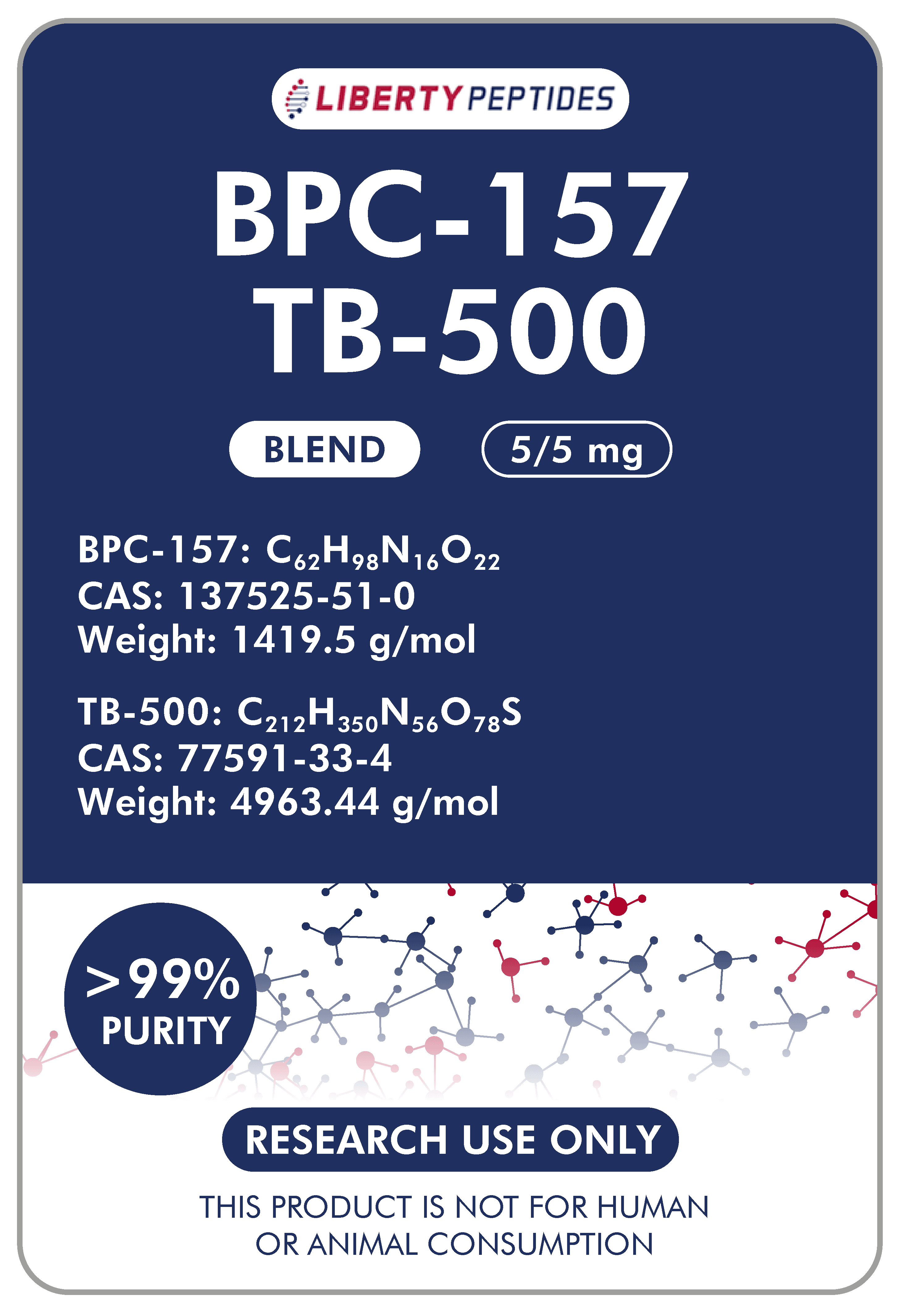
Straight from the synthesizer with marginal processing-- commonly simply bosom from the resin and precipitation. Purity varies widely, from 40% to 80%+ relying on series size and trouble. Crude peptides appropriate for applications where pureness isn't essential, such as antibody manufacturing or first testing assays where the target peptide simply needs to be present, not dominant. Very closely associated with truncations, deletion peptides are unabridged chains that are missing out on one amino acid somewhere between. If capping isn't flawlessly effective, an uncoupled chain can remain to extend in subsequent actions, producing a peptide that's just one deposit except the target. In addition to HPLC and MS, specialized labs might employ orthogonal techniques for included precision. As an example, capillary electrophoresis can be used to divide extremely hydrophilic peptides or to ascertain results, and MALDI-TOF mass spectrometry can help in mapping bigger or changed peptides. Several peptide producers or vendors will offer a COA (Certificate of Evaluation), as an example our bpc 157 tb 500 mix, that consists of the purity portion by HPLC and identification confirmation by MS for each batch. Top-tier labs commonly report peptide purity well above 95%, regularly ≥ 98-99%, by using modern HPLC and MS analyses. They likewise evaluate both resources and ended up peptide vials, which helps capture any pollutants, deterioration items, or formulation disparities.